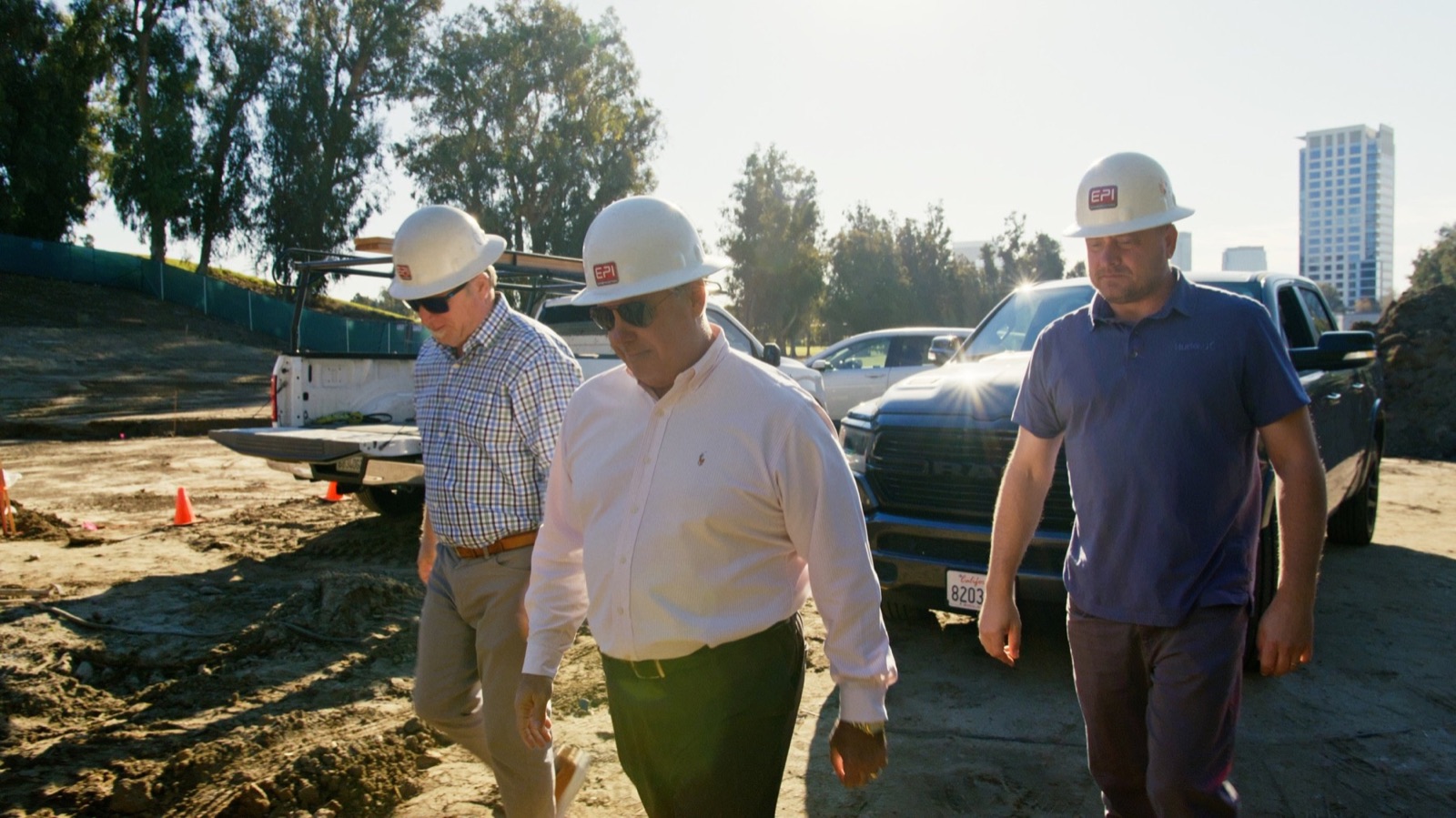
Title frame from the flagship EPI Construction film.
EPI Construction
A forty-year construction firm doubled gross profit by changing how it tells its story, not how many people tell it.
Gross profit, doubled within about twelve months
EPI Construction came to Enter360 with every advantage that matters in its industry: four decades of delivery, in-house concrete and steel stud divisions, and a leadership team that knew how to build. What the firm no longer had was a story that worked in the rooms where projects are actually won.
Win rates were falling. Margins were under pressure. The company leaned on word-of-mouth referrals and low-margin competitive bidding, and it was pitching younger executive teams and boards, many of them led or heavily influenced by women, with materials and messaging that felt a generation out of date.
Diagnosis before design
The engagement started as research, not production. Where was margin leaking? Which pursuits converted? What did a buyer actually need to believe before saying yes?
The answers were uncomfortable and useful. The firm was spending real time chasing hard-bid work that discouraged early collaboration and protected margins poorly. Unpaid preconstruction effort and free consulting for prospects drained focus without converting. Discounting was used to attract new clients while long-term clients went unrewarded. Design-build and design-assist, the firm’s strongest path to predictable outcomes, were not being sold early or clearly. And the operational advantages that should have won bids were barely mentioned inside the company, let alone outside it.
The turnaround
The principals put it plainly. Four men with decades in the trade were walking into pitch rooms full of executives a generation younger, many of them women, and feeling like they had lost the bid before they sat down.
Enter360 re-engineered the preconstruction and bidding strategy to protect margin, then shifted positioning toward design-build and design-assist engagements, the work that was more profitable for EPI and easier for everyone to deliver well. A trust-first narrative was built on EPI’s real operational strengths rather than on adjectives.
The biggest single lever was already inside the company. EPI had built a repeatable way of winning work with Catholic parishes, the Los Angeles archdiocese, and the parochial and charter schools around them. The advice was to work that system harder instead of chasing cold bids: market to the clients they already had and reward them, rather than discount for strangers; and take the same pitch to a market the principals assumed was closed to a Catholic-rooted firm, the Jewish community’s schools and congregations. The assumption was wrong. Those institutions wanted exactly what the parishes wanted, a builder they could trust at a fair price. Enter360 made introductions from its own network, the film opened the meetings, and a second vertical inside the same niche took off.
The flagship film was the strategic instrument, not a brochure with a soundtrack. It had two jobs. On hard bids, it went out ahead of the meeting so the people in the room already felt they knew the principals, could trust them, and were most of the way to yes before anyone shook hands. With the right prospects, it steered the conversation toward design-build and design-assist, where EPI’s advantages matter most.
Every production decision served the room EPI was selling into. The points the film makes, the order it makes them in, what it shows, and who appears on screen were chosen deliberately. The architects, the decision-makers at the boardroom table, and the project staff on camera reflect the people who actually award the work, including the women and younger executives the old materials had failed to reach. The result looks like a documentary and works like a strategy.
The website was rebuilt as a story-driven system with the film at its center, replacing a brochure with a portfolio that sells. SEO, email, social, and internal processes were put in place so EPI’s own team could carry the work forward.
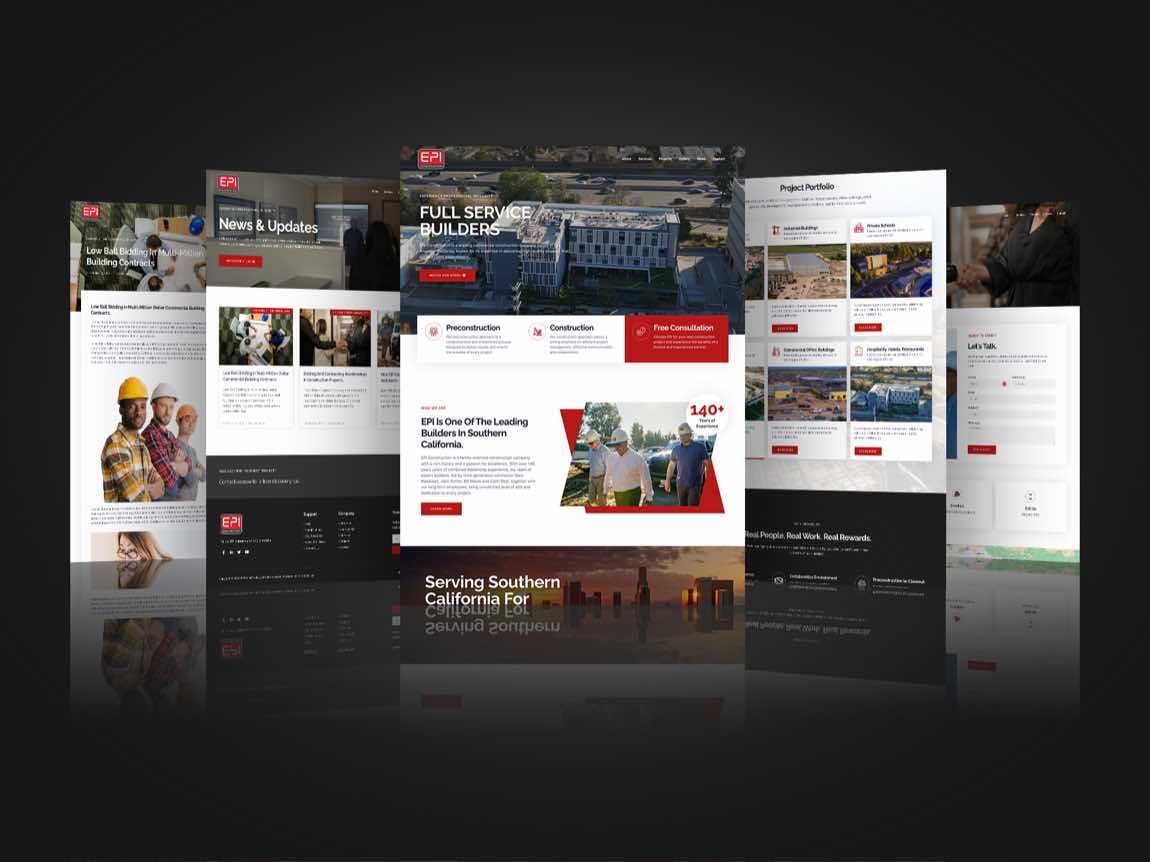
Around the film
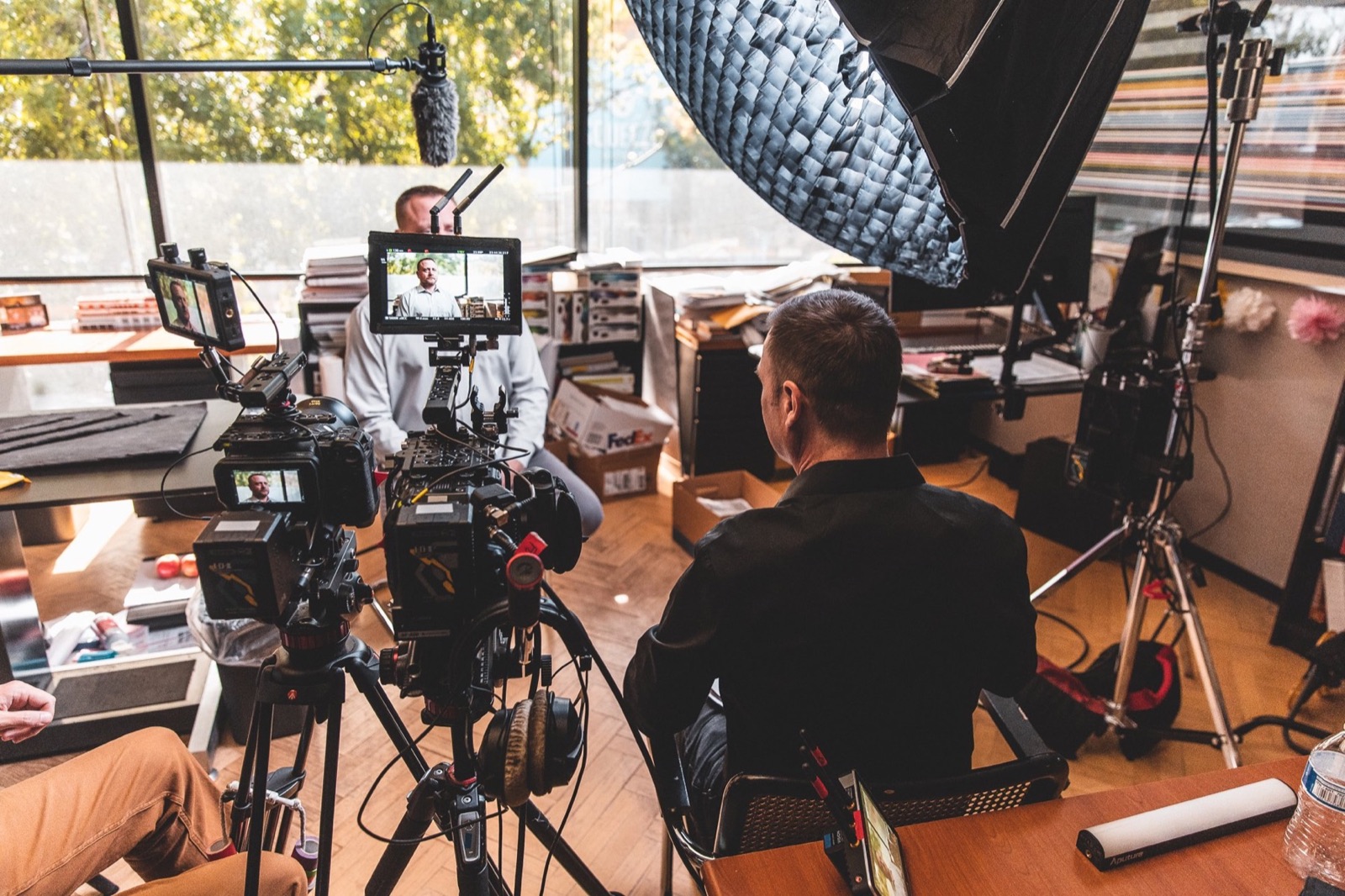
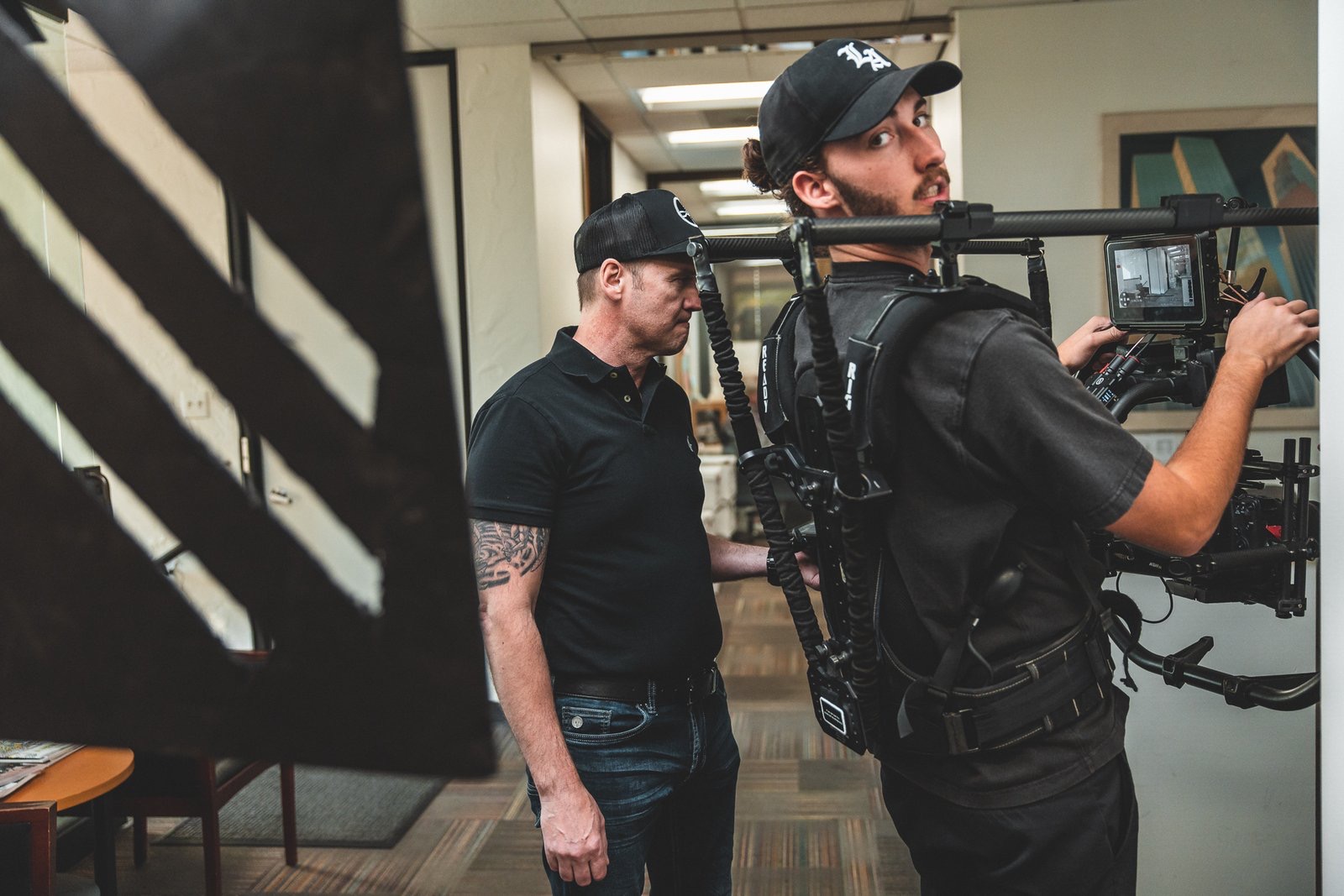
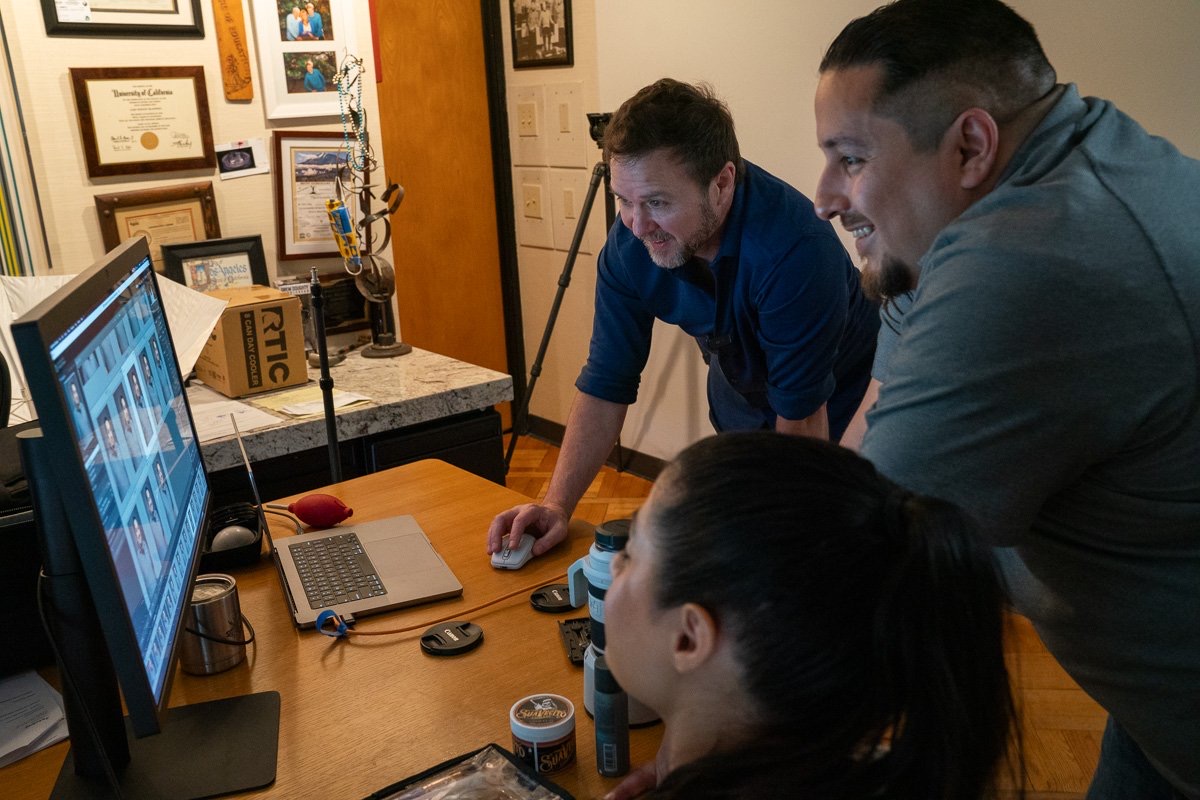
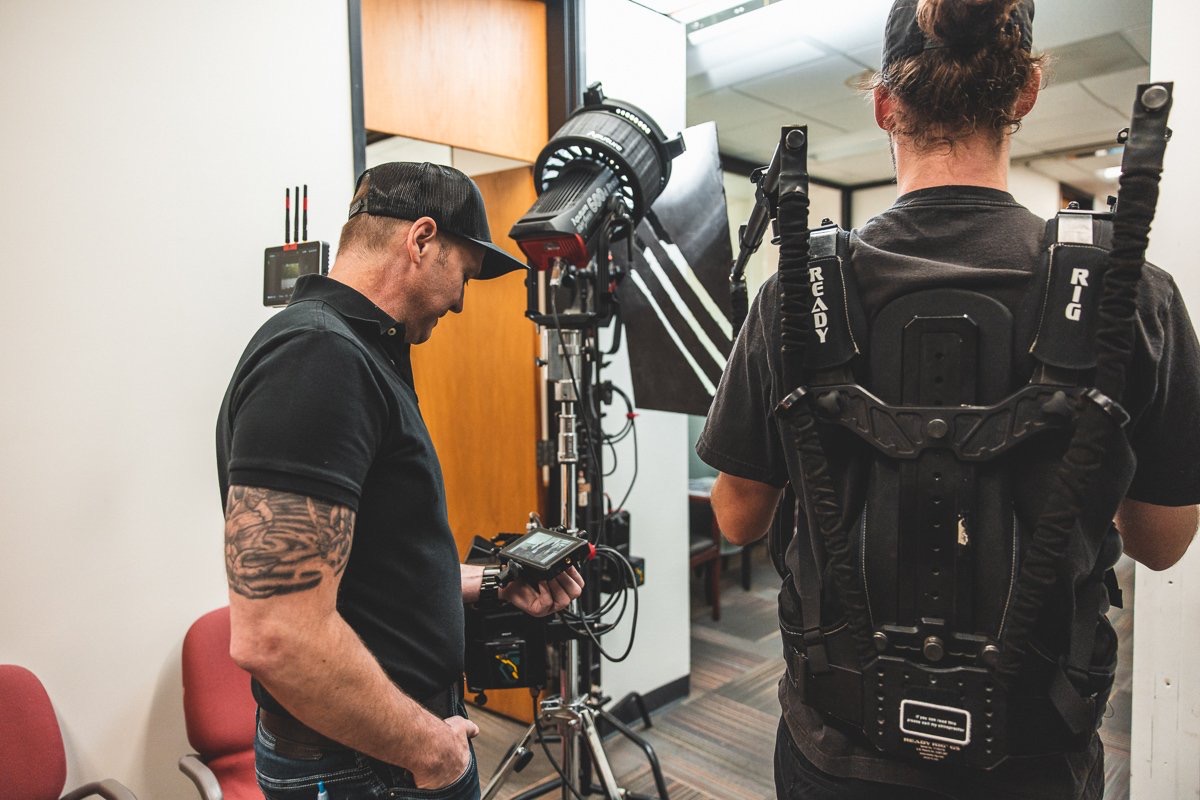
The film was the opener, not the engagement. Making it meant interviewing every founder and principal, learning the business from the inside, and running the competitive analysis that shaped the advice on where to steer the company. The interviews surfaced competitive advantages the principals had stopped noticing, and the story pivoted to them on the day; the strategy documents that followed came out of the same process. Around it came the rest: aerial and editorial stills; consistent headshots for the fifteen principals in the main office, shot in a single day with makeup artists on set so the new website would look like one company; the rebrand; the site itself; LinkedIn and the other social channels, which did not exist before, set up and branded so the team could take them over; an email program, with training to run it. The film was cut into banners and social pieces, and the footage that did not make the cut became the stock library for the years after. The website was built so every project could carry its own story: a page per build, concept to completion, with new visuals added as the job went up.
The result
Gross profit doubled, from roughly $40 million to $80 million, within about a year, from a multi-eight-figure base and without equivalent headcount growth. Unpaid bidding fell. Deal quality rose. Leadership walked into board-level pitches with a film that had already done most of the persuading, and the turnaround produced downstream revenue gains across EPI’s supporting divisions.
"They all were very impressed with the film, so it is doing its job well. They said it was like they had already met us. Thanks for getting us to this next level."
Gary Blackwell, President, EPI Construction