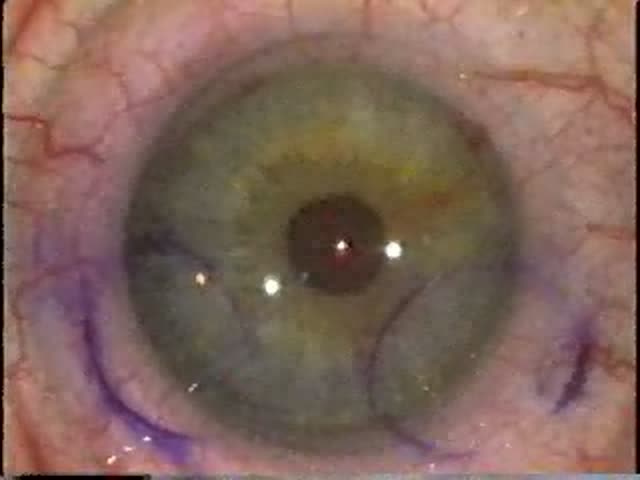
The flap comes back and the laser begins. Filmed in 2001 on macro lenses, restored; the full eleven minutes, without a cut, are further down the page.
EyeTech LASIK
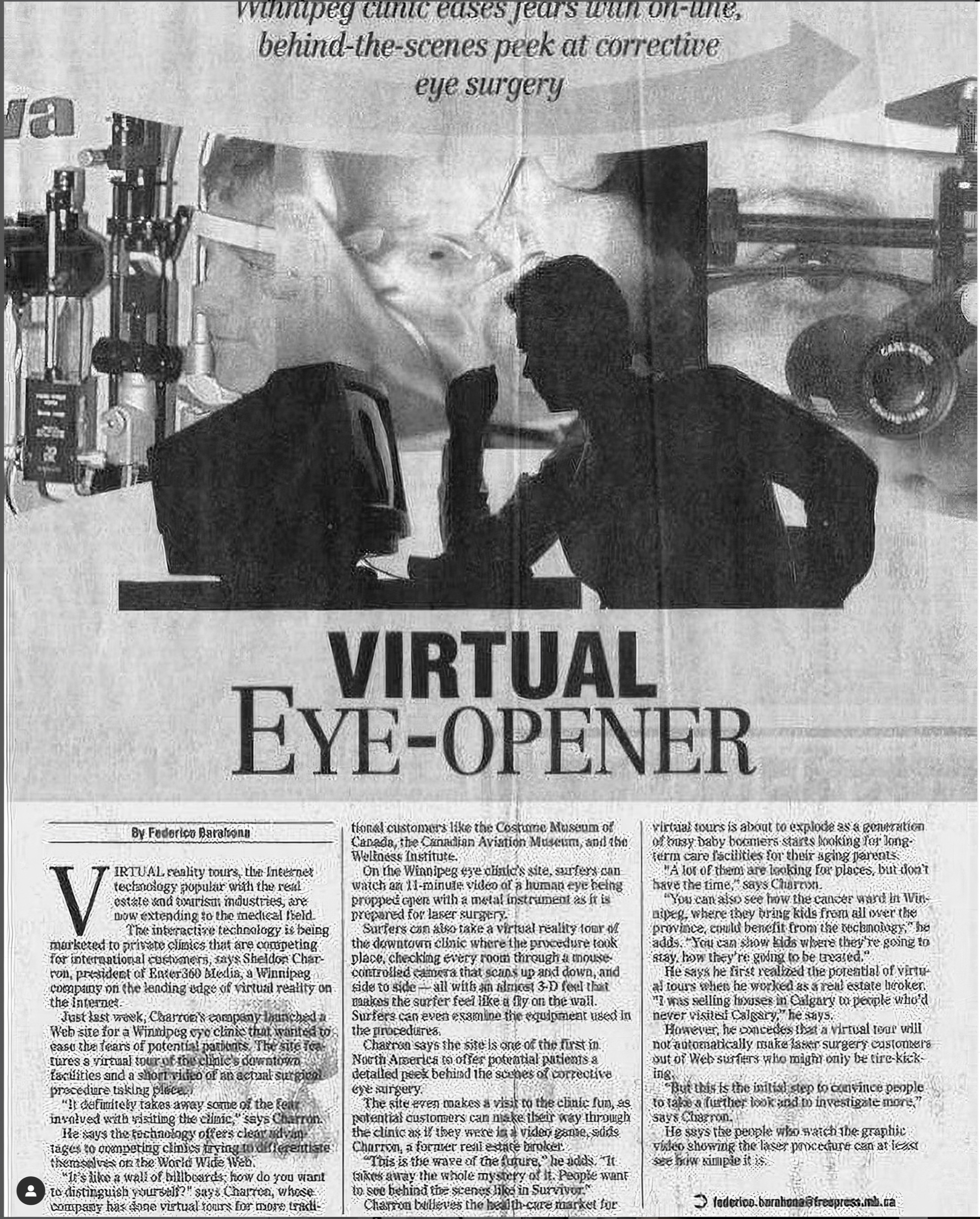
A surgeon opened a laser eye clinic in a market that would not pay for it, with a procedure Americans could not yet get at home. Enter360 pointed the clinic south, and it booked out until he retired.
Over half of everyone who watched the film booked a free consultation, and 80 percent of them closed once they were in the clinic. Up from near zero patients and a clinic on the verge of failing. The result was a booked-out clinic, until the surgeon retired more than fifteen years later
When EyeTech LASIK Clinic opened in downtown Winnipeg, it had everything but patients. Dr. Desikan Kadambi, an eye surgeon educated at Oxford and Yale, had come from the UK and taken space in an expensive high-rise with the newest laser eye technology on the market, a procedure that was not yet approved in the United States. His sales staff could close 65 percent of the prospects who came in. Almost nobody came in. Winnipeg was the wrong market: price-sensitive, modest home values, no appetite for premium elective surgery, and wary of a technology nobody had seen before. The clinic had opened at $5,000 Canadian for both eyes, the price the business was built to need, then cut it to $4,000 to move the market, started giving consultations away, and after spending heavily on equipment, offices, and traditional media, it was losing money every month and going down fast.
Dr. Kadambi hired Enter360. The work started with research: interviews with every staff member, an impromptu patient poll, calls to clients who had already had the surgery, and a close study of the procedure, the business model, and the competitors.
See everything, before you decide
The first diagnosis was fear. People wanted the result and were terrified of the process. So the strategy was to let them see all of it before they ever walked in.
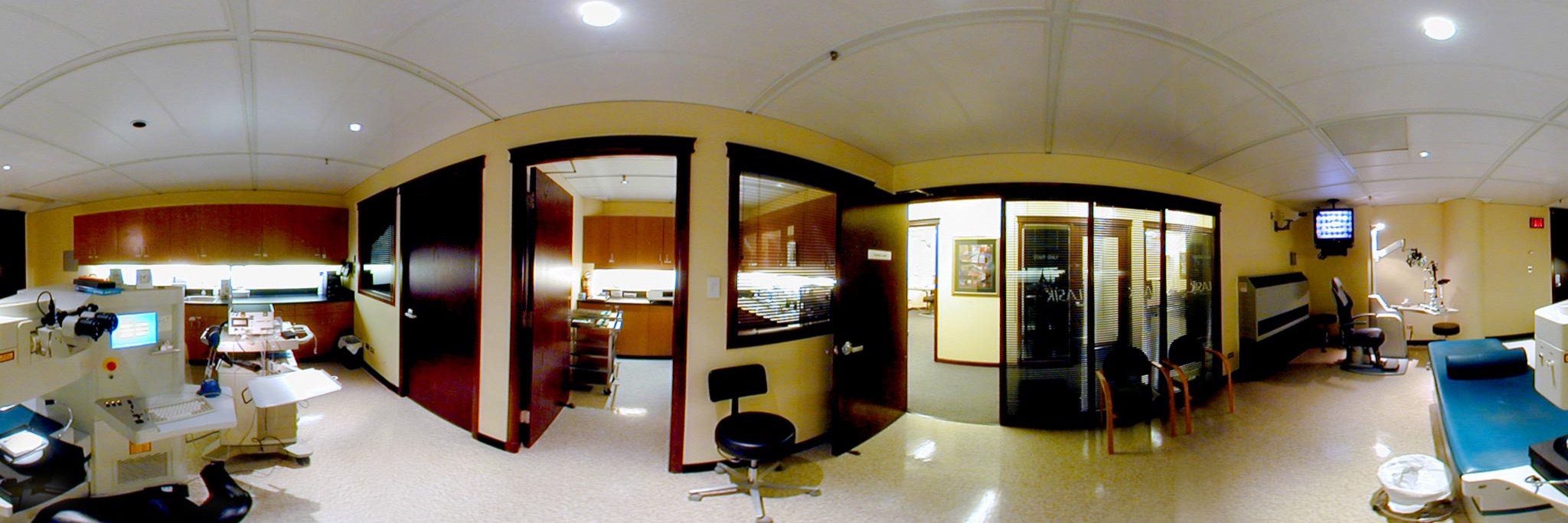
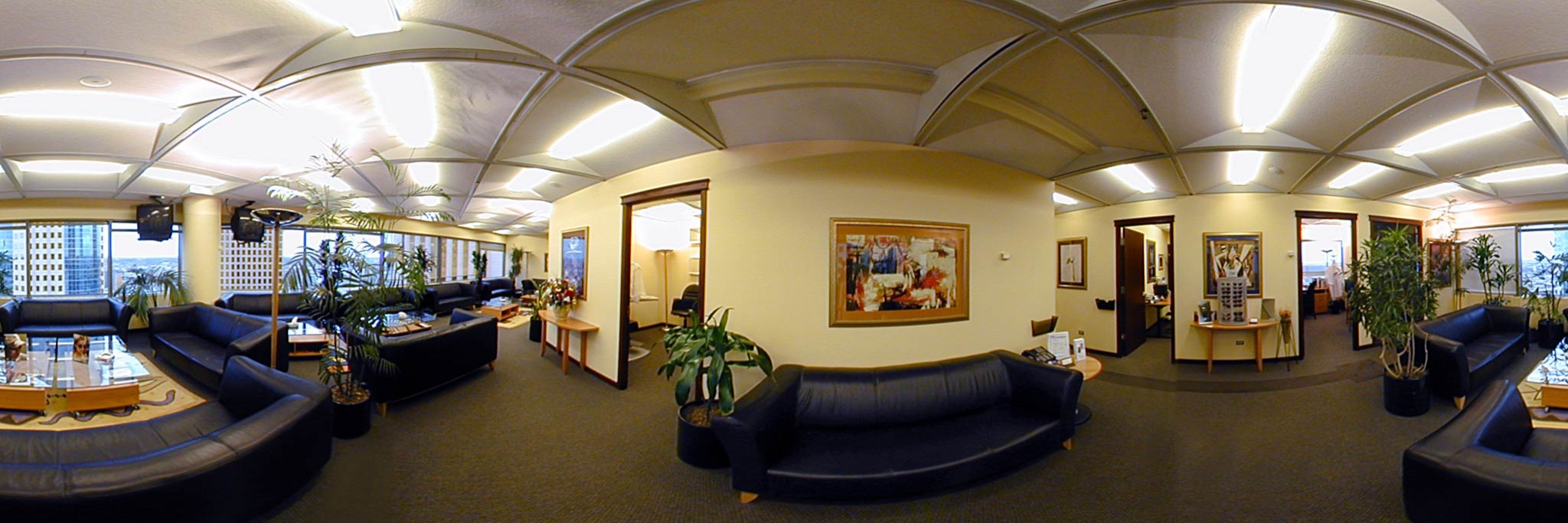
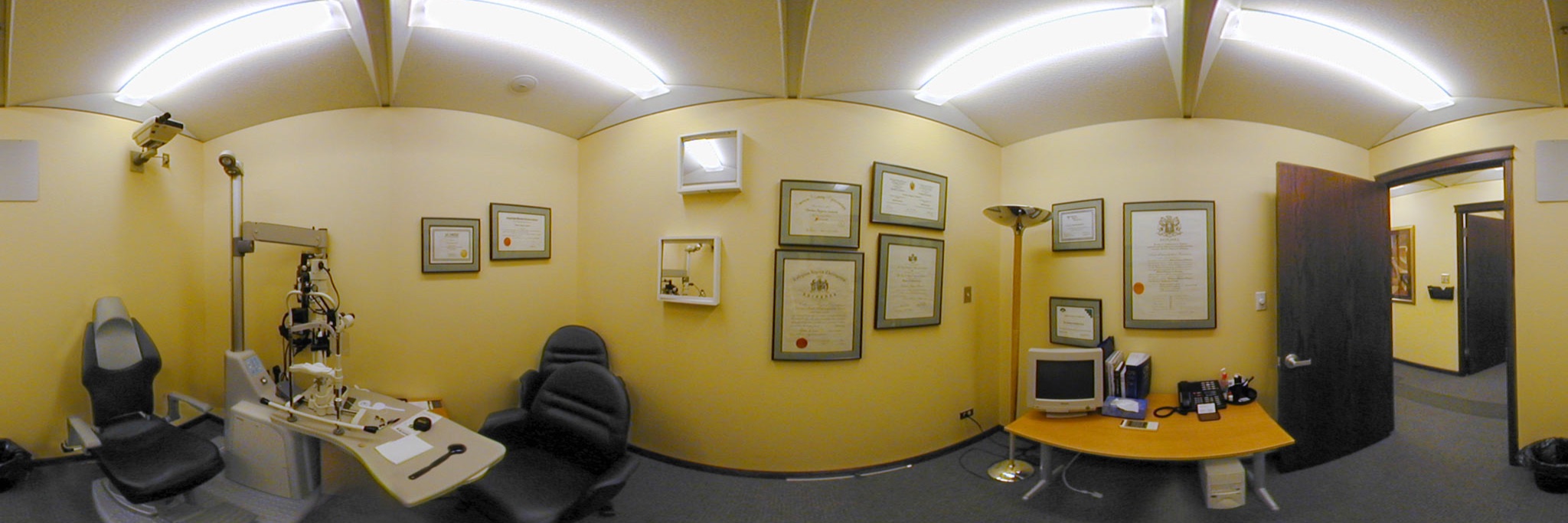
Enter360 built a virtual tour of the facility, an interactive map and floor plan with immersive 360-degree views of each room. Visitors could click through doors, click on equipment, and read what each piece did.
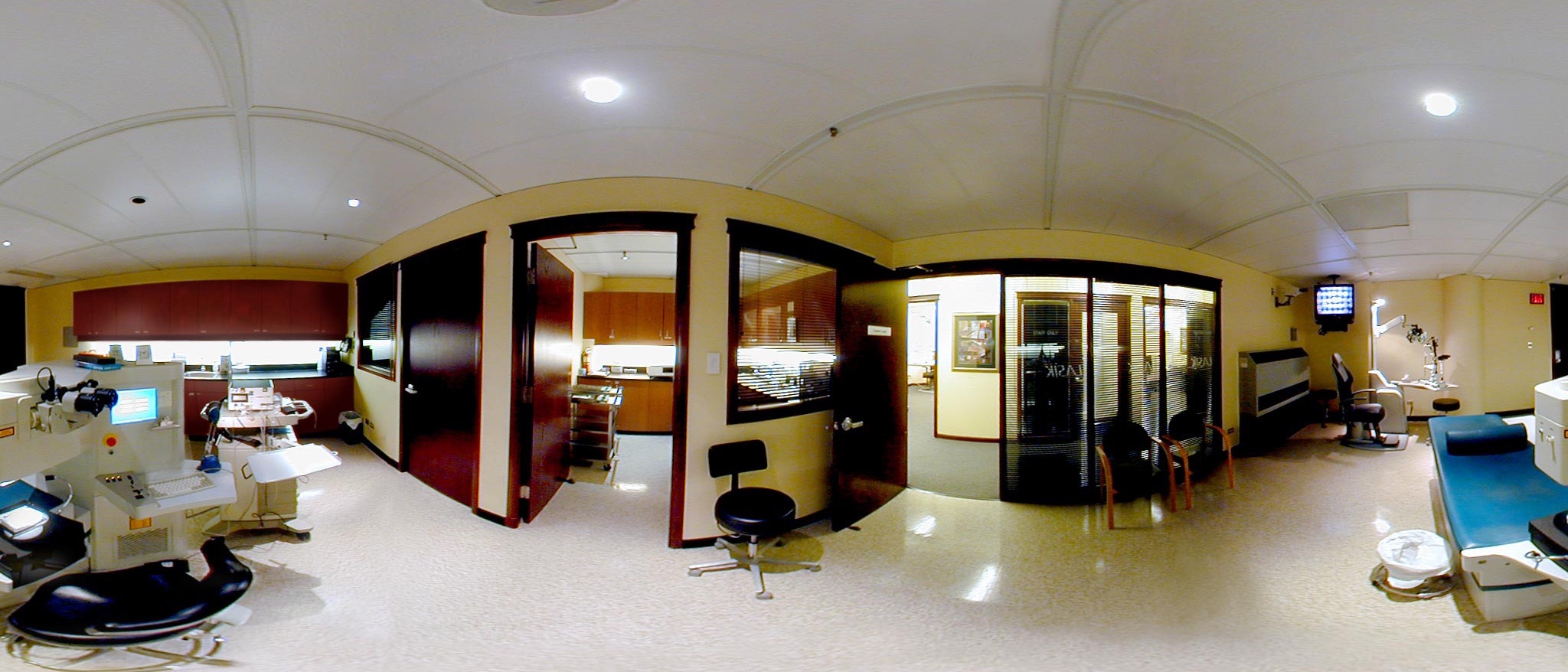 The original tour, 2001. Drag to look around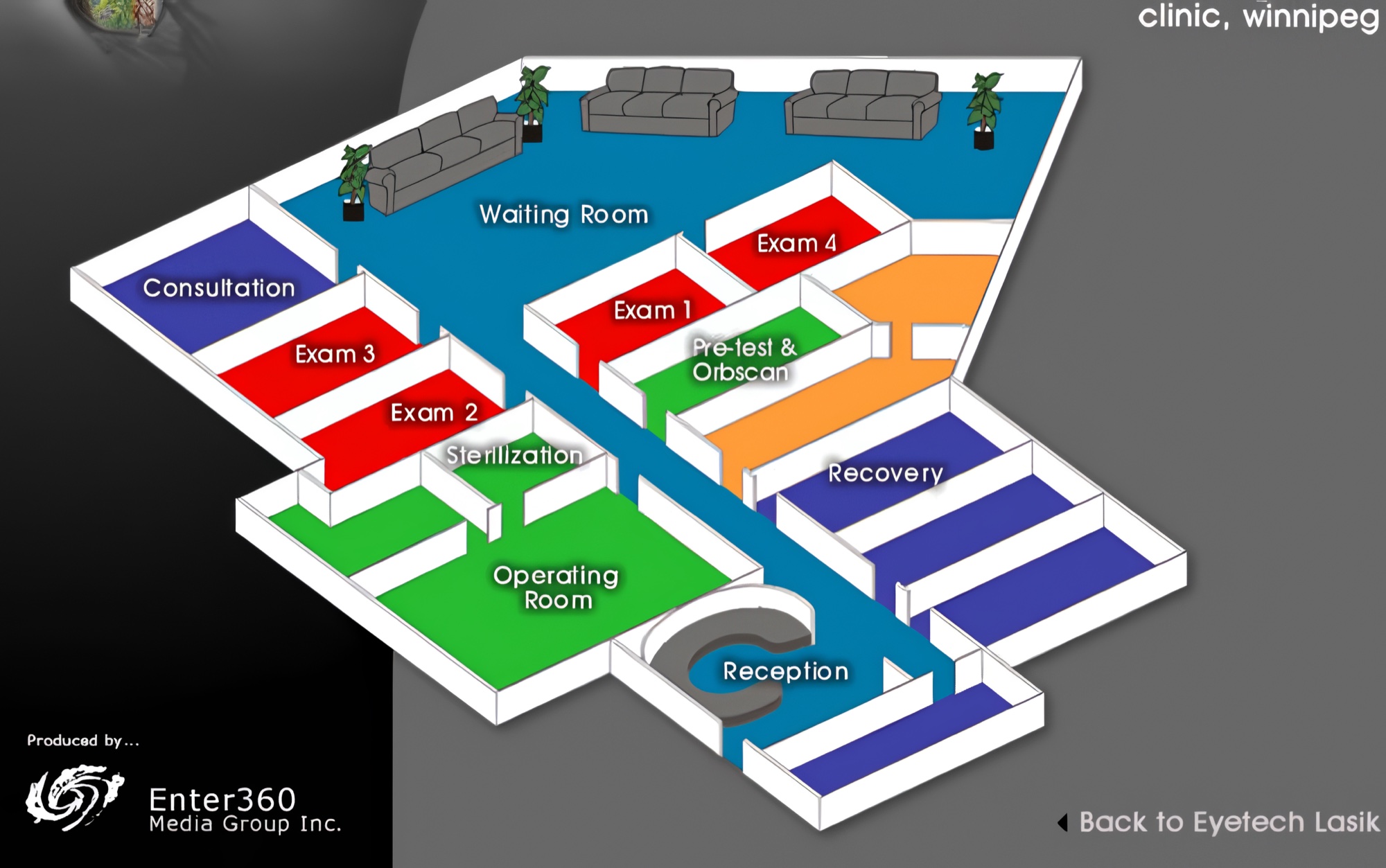
This was 2001. Enter360 was on the leading edge of virtual reality on the web, building tours for museums, hospitals, and whole neighborhoods when most people had never seen one and the infrastructure to deliver it barely existed. In the same stretch the studio put Osborne Village, the Wellness Institute at Seven Oaks General Hospital, the Costume Museum of Canada, and Deer Lodge Centre online in virtual reality, and CBC’s evening news covered it. The EyeTech tour attracted everyone, not just people searching for surgery, and when the site launched in February 2002 a Winnipeg Free Press feature called it one of the first in North America to give patients a detailed look behind the scenes.
Then the film. Using macro video equipment, the team filmed a complete procedure on both eyes, eleven minutes from start to finish, without a single cut. People saw everything.
The lead magnet before the term existed
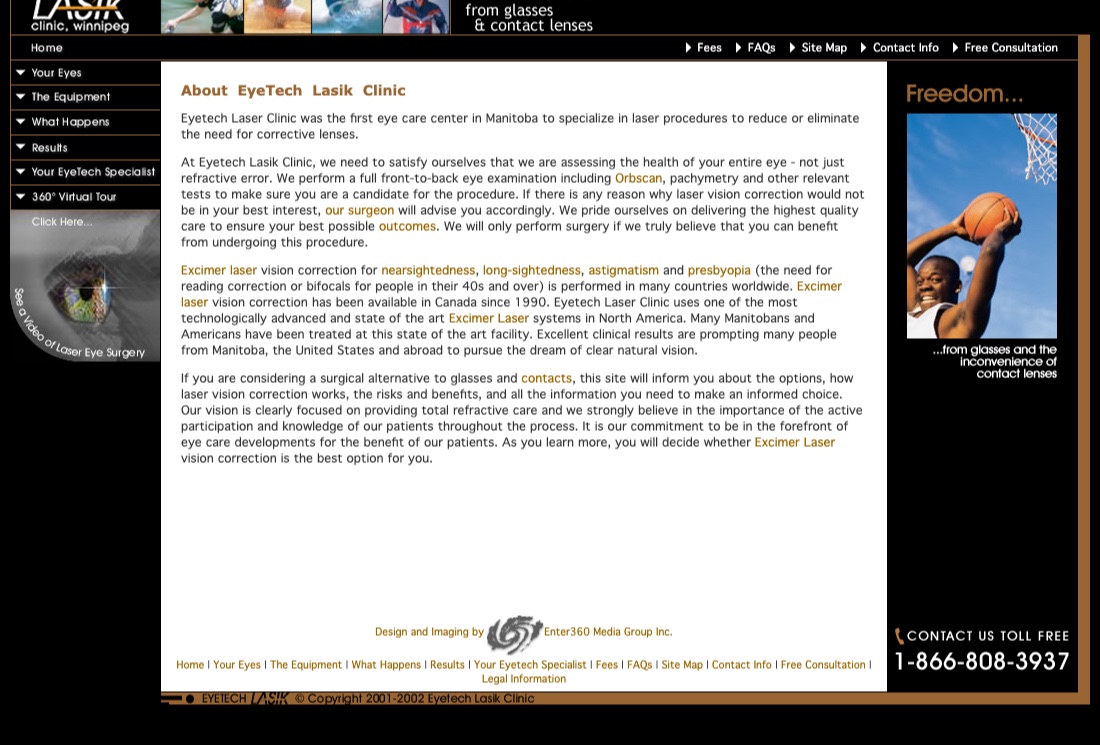
Here was the mechanism. To watch the film, all the site offered was a small teaser image; to see the rest, visitors had to join the mailing list. The opt-in rate was close to 100 percent.
At the end of the film, with contact details already captured, a second prompt offered a free consultation, bookable immediately on a calendar or by a staff callback. The consultation had always been free, but on Enter360’s advice the clinic began charging for it before launch, so that offering it free became an incentive with a deadline.
Forget Winnipeg
The second diagnosis was the market itself. The city was never going to fill the calendar at a premium price. But across the border was a country where this procedure could not be had at any price, so Enter360 stopped selling to Winnipeg and pointed the clinic at the United States.
The launch ran through print and web advertising, search optimization and paid search, and a press strategy aimed at American media. Articles and coverage followed, the film spread, and then so did patients, flying in for a consultation, flying home, and flying back for the surgery at a clinic positioned as the most advanced of its kind in the world. Pricing followed the positioning. The discount was retired and the procedure went back to $5,000 for both eyes, but in US dollars this time. With the American dollar worth roughly $1.30 Canadian, that was about $6,500 Canadian per procedure: 30 percent above the price the clinic had opened at and more than 60 percent above the discount, while still costing an American patient about what comparable surgery cost at home. A financing plan widened the funnel for the local patients who remained.
Destination surgery
To make the trip an easy yes, Enter360 built what amounted to an early version of healthcare tourism. Working with the city’s economic development office, the downtown business association, hotels, and the best restaurants in town, the clinic offered a complete visit: fly in with a spouse, stay somewhere good, have dinner, see the symphony, the opera, a play, a hockey game, or a ballgame, have the surgery, and go home. EyeTech’s own concierge arranged all of it.
Where it went
Over half of everyone who watched the film booked a consultation, and the close rate on the people who came in rose from 65 percent to 80, because they now arrived pre-sold by the tour and the film instead of walking in cold. Then Winnipeg came back. The coverage and the fly-in patients did what discounting never had: locals who could afford the procedure now trusted it, and the clinic went from discounting for its own city to charging full price there, with patients also driving in from across Manitoba and flying in from the rest of Canada. A clinic that could not get traction at a discount booked out at a premium, and stayed booked out until Dr. Kadambi retired, more than fifteen years later.
One more number, off the books: the studio’s principal had the surgery himself, then gave it to his two brothers.
This was the studio’s first big turnaround, and it set the tone for every one since: startups and companies that had stalled, taken apart and put back together. The numbers describe that era. The playbook, research first, then show everything, then capture and convert, and if the market is wrong, change the market, is the same one Enter360 still runs.
Eleven minutes, no cuts, restored
The full filmThe complete procedure as patients saw it in 2001, filmed on macro lenses and gated behind an email signup. Restored in 2026 from the original 320 by 240 stream, with the original audio.
This is a past engagement, shown with permission as part of the studio's record. Results describe that period. No current representation or endorsement is implied.