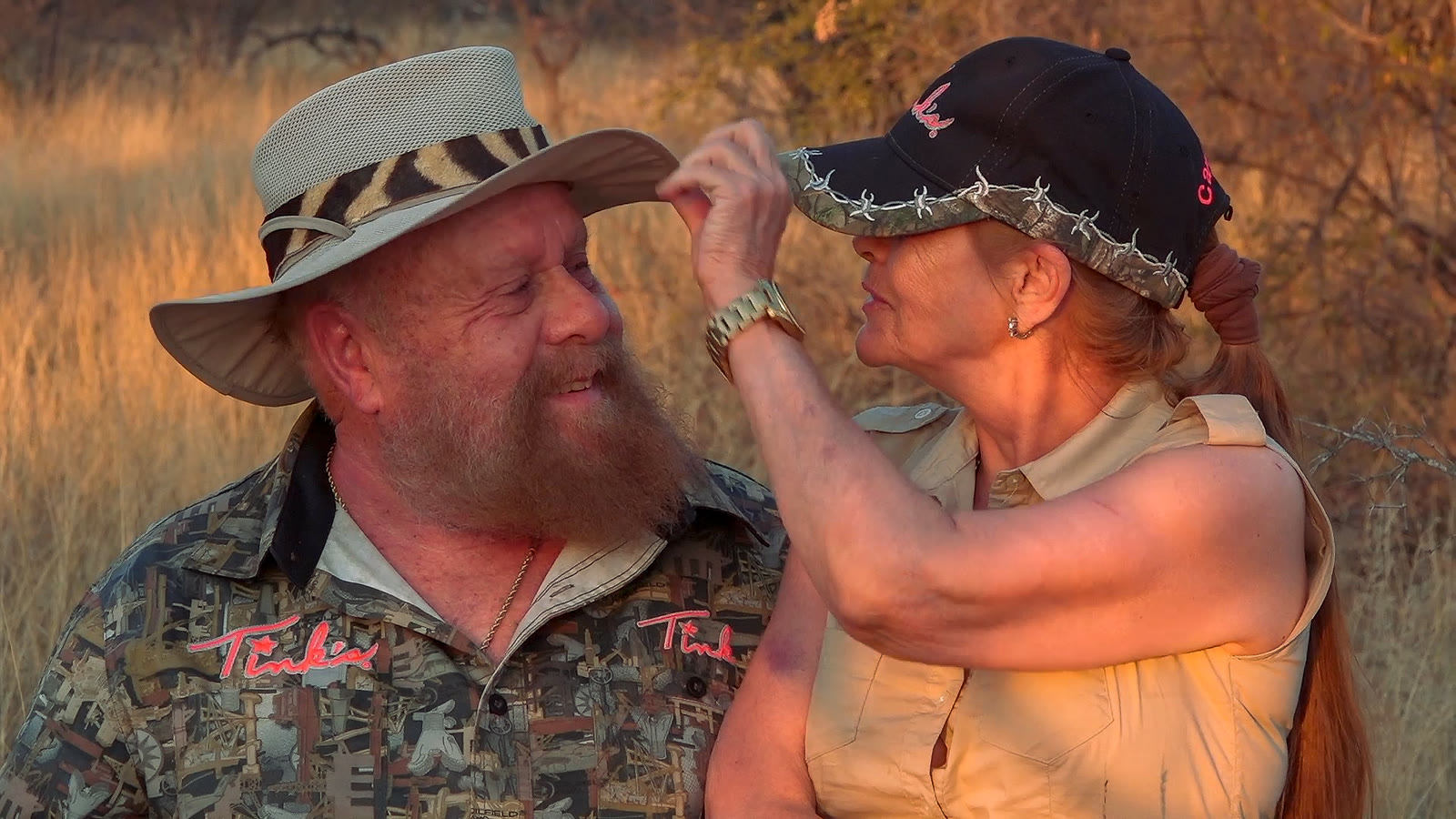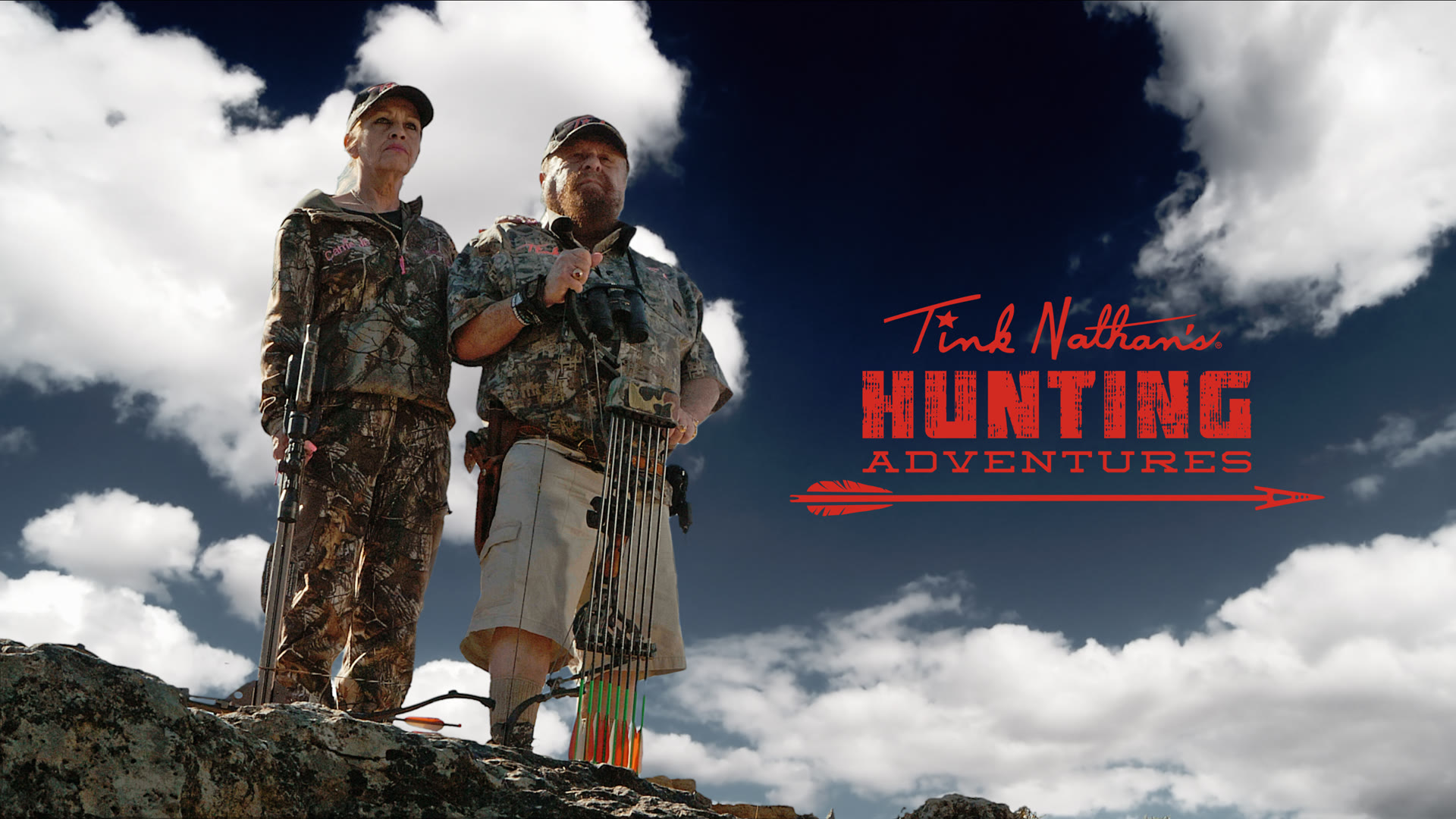
Tink Nathan and Carrie Jo Busch in the series key art, created by Enter360.
Tink Nathan's Hunting Adventures
Tink Nathan built one of the best-known names in hunting, then watched the company move on without him. He had made hunting DVDs in the 70s and 80s but never a TV show. At 76, thinking about his legacy, he called. A month on safari, 19 animals taken on film, and his old footage remastered and woven into the new story became a six-episode series for broadcast TV and Amazon Prime, created and owned by Enter360, with his name and face back on his brand.
The film Tink Nathan's Hunting Adventures (2018) · Watch on Prime Video · IMDb
Created, directed, owned, and distributed by the studio: on Wild TV and Amazon Prime, with sponsors secured to pay for broadcast, streaming, and social
Tink Nathan built one of the most recognizable brands in hunting: Tink’s 69 Doe-In-Rut Buck Lure. He still owns the trademark and still collects on it, but he sold the operating rights decades ago, and the brand has changed hands and been folded into larger portfolios ever since. Mergers do that to origin stories. By the time he picked up the phone, very few of the people buying the bottle knew there was a man behind it, and that included Enter360’s founder, who had used the stuff for years.
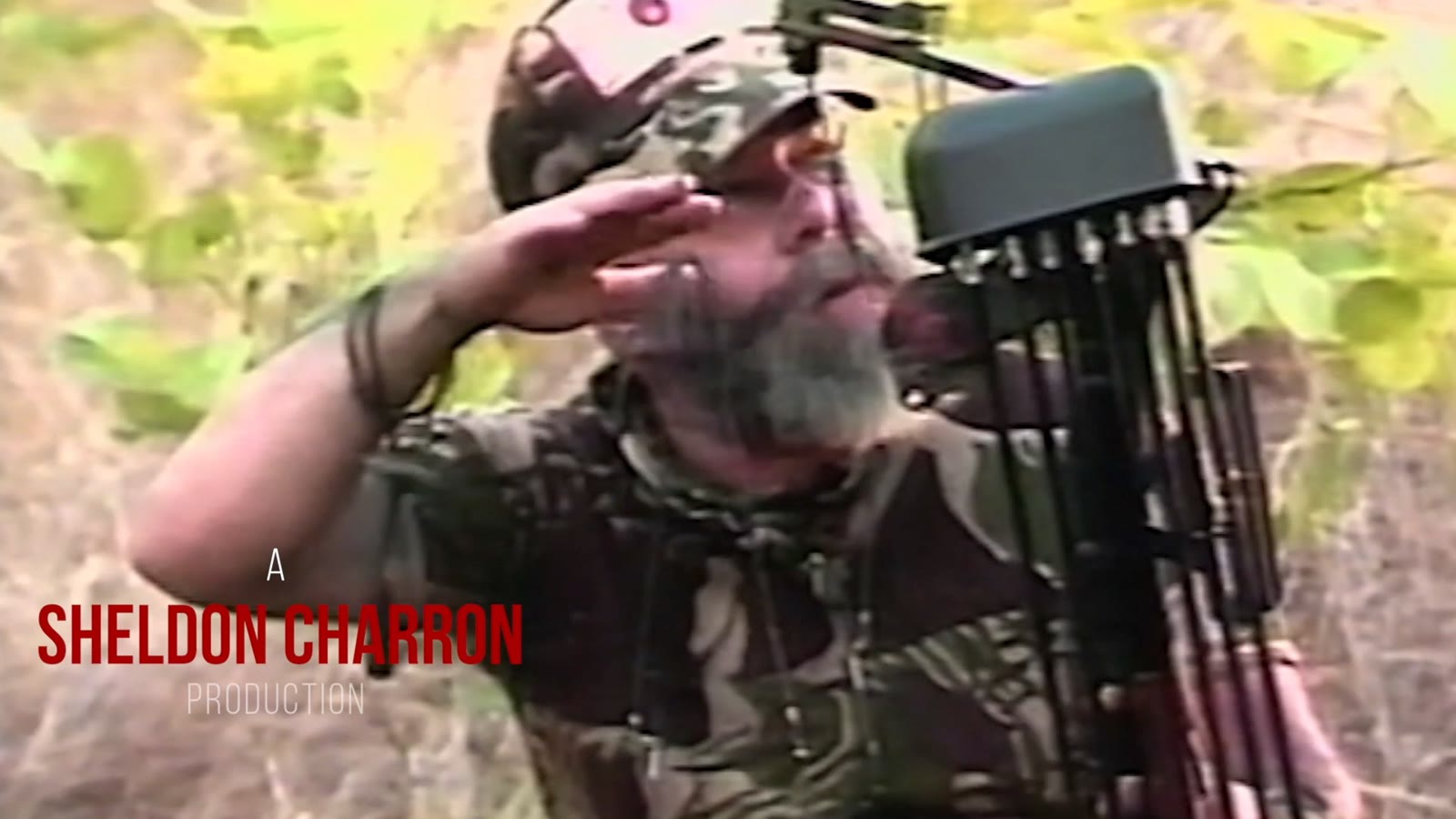
He had made hunting DVDs in the 70s and 80s but never had a show. What he wanted was a TV series built around a month-long African safari to promote the Tink’s brand. Enter360 did not want to make another product-placement hunting show, and a pre-interview surfaced the real brief. He was 76. The company that bought him out was trying to move on without him. He was afraid of being forgotten, and of being erased from the history of the brand he had built. There was a commercial reason too. Tink’s was by then one line in a large corporate portfolio, and his royalties were sliding with it. A series with his name on it would pull attention back to the Tink’s line, and every bottle it sold paid him.
One condition
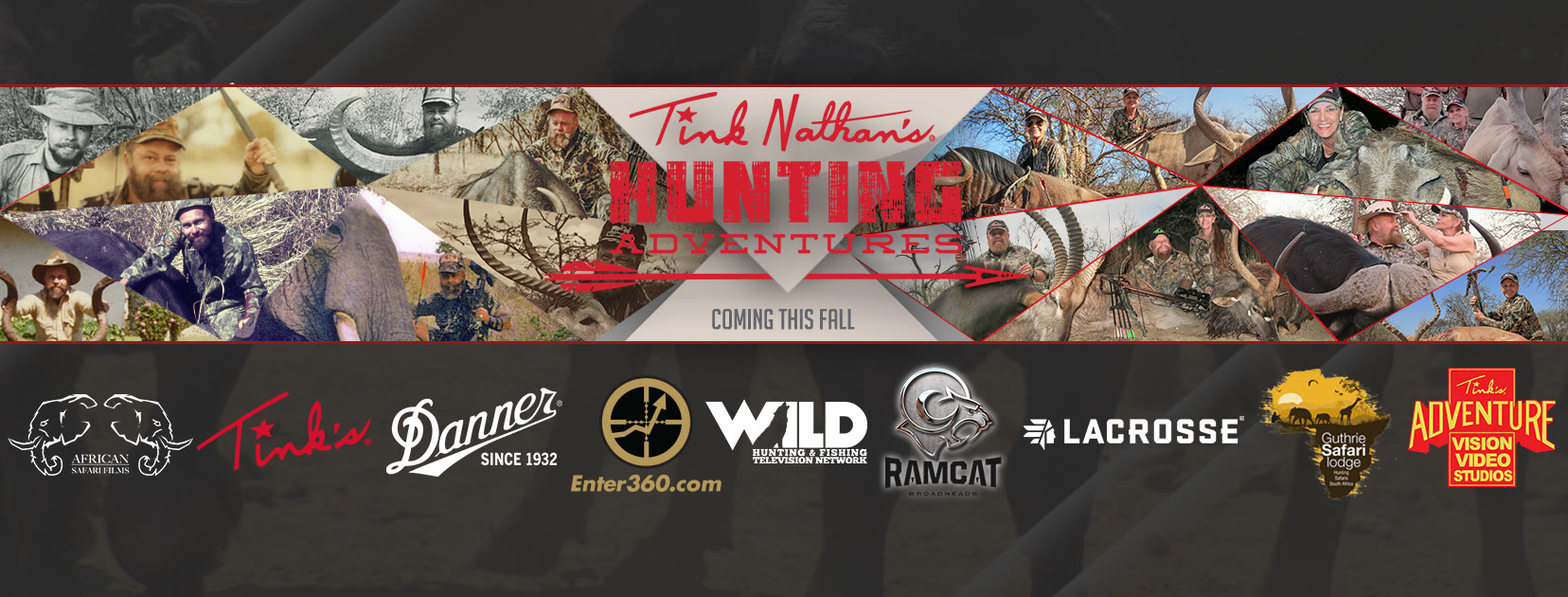
The studio took the project on one condition: full creative and editorial control. Then it developed the concept from the ground up as a legacy miniseries rather than a sponsored hunt. Enter360 wrote the narrative, executive produced and directed the series, negotiated national distribution, and secured the sponsors, Ramcat Broadheads, Danner Boots, and LaCrosse Footwear, that paid for broadcast, streaming, and social.
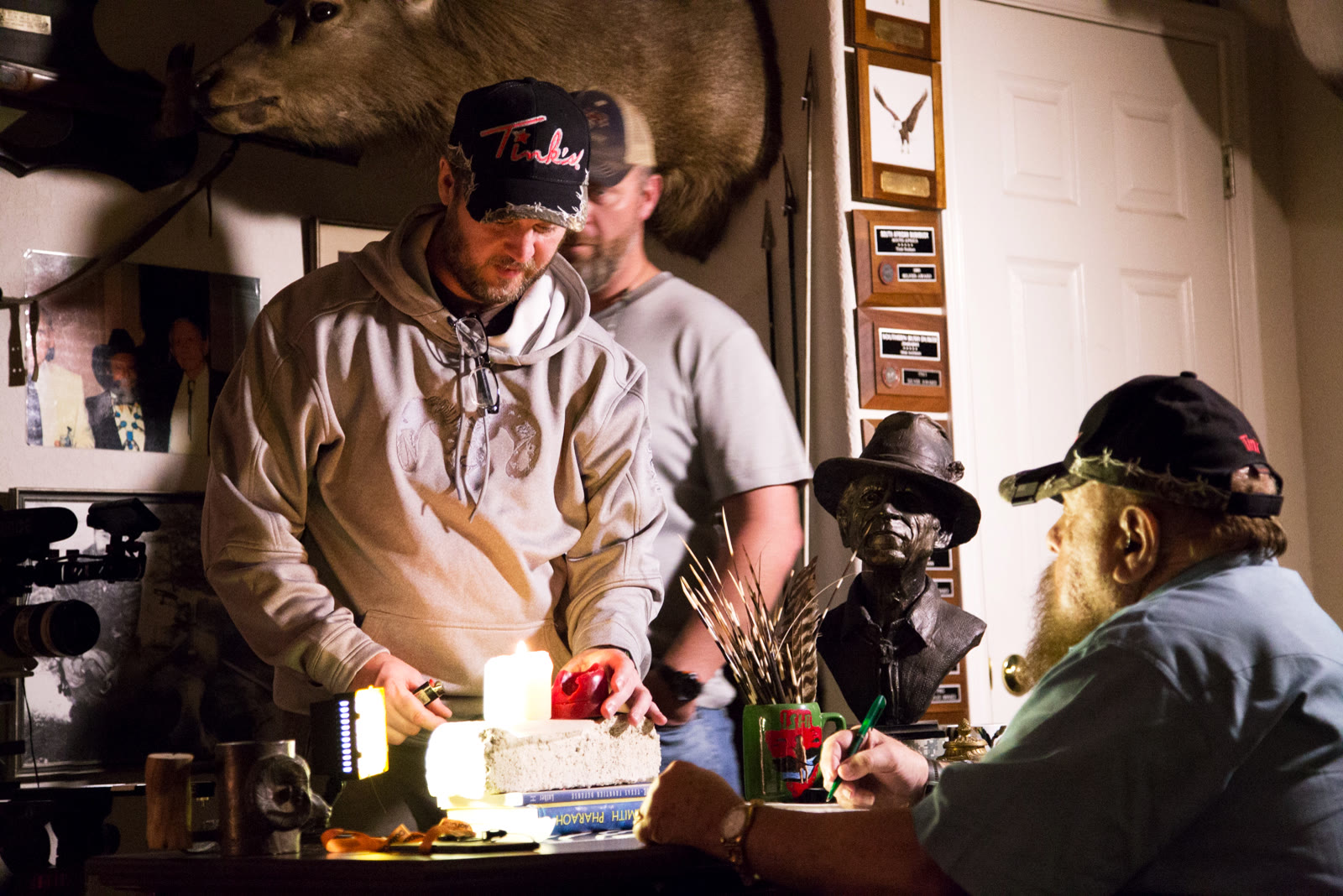
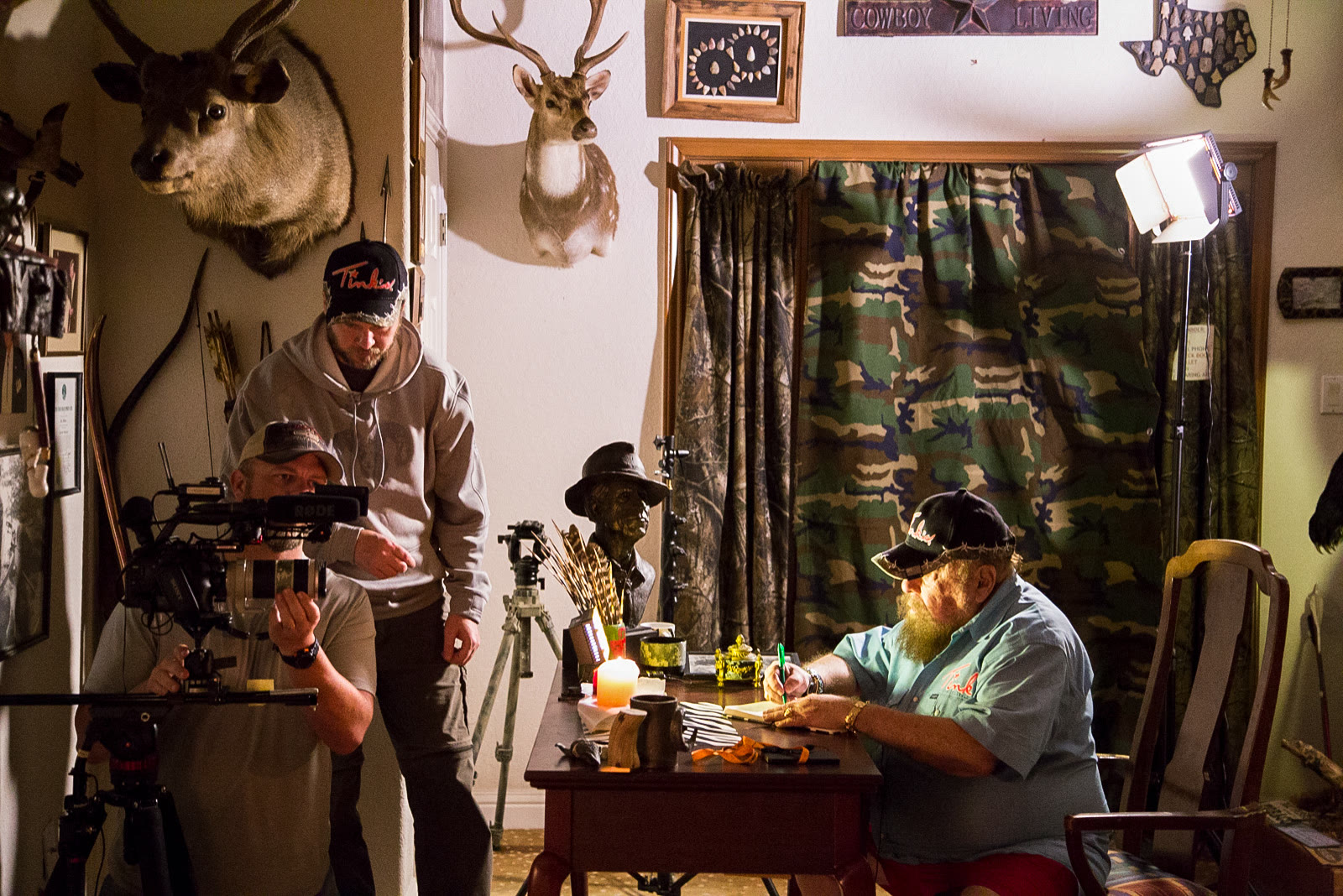
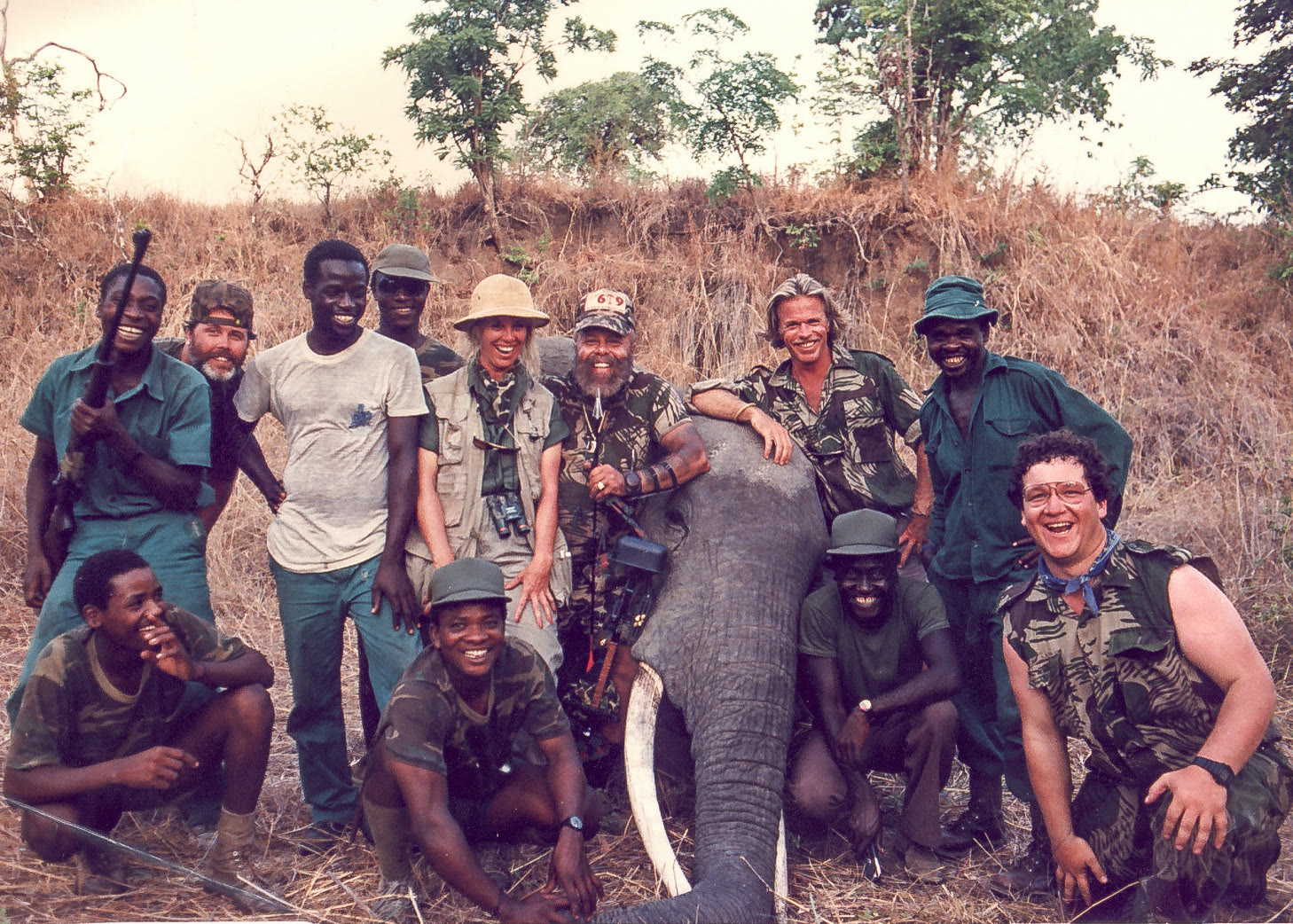
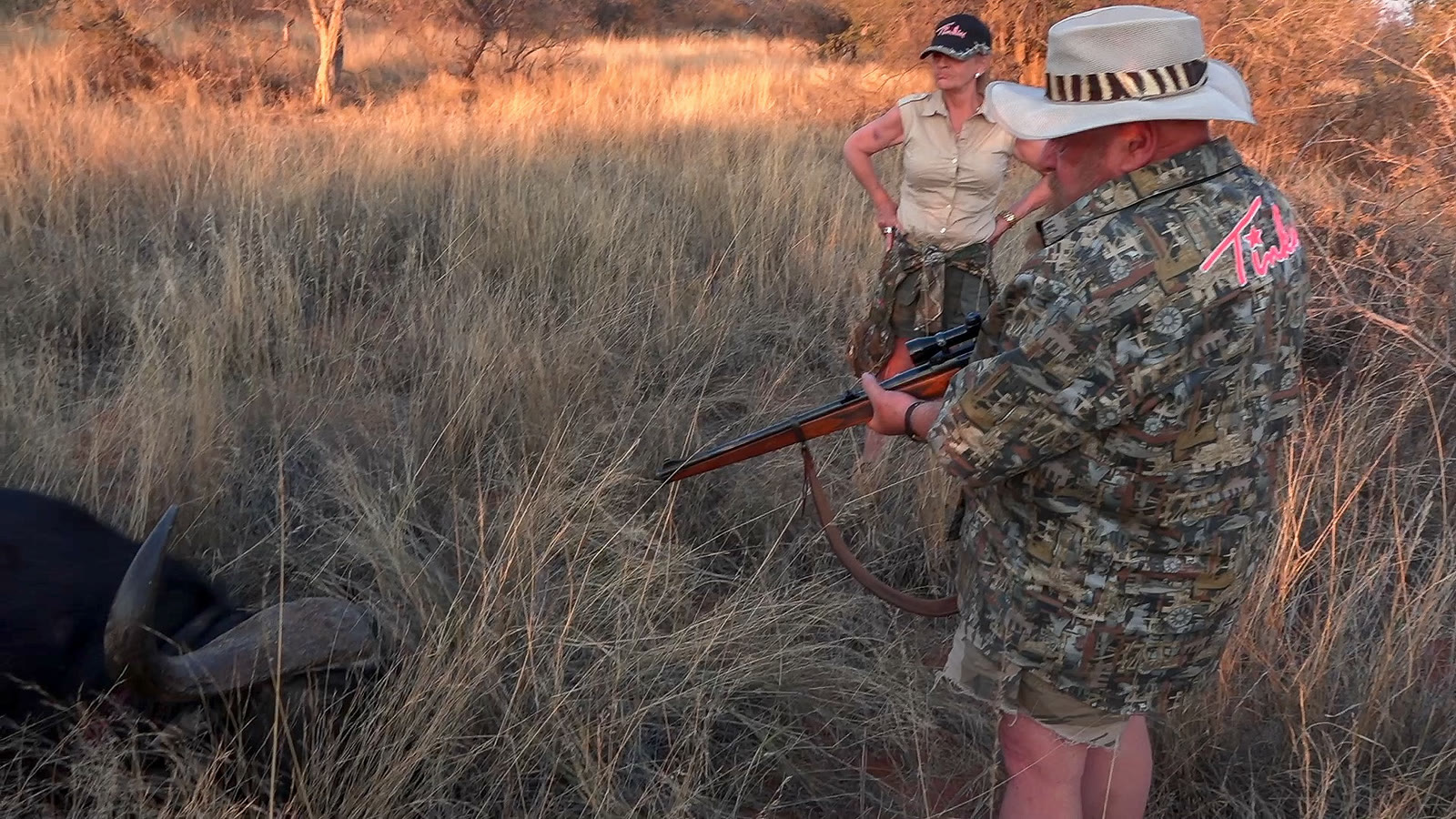
The safari footage came from a month in South Africa, 19 animals taken on film. Enter360 shot the interviews, the reenactments, and the departure at his place in the Texas Hill Country near Kerrville, had his original DVD footage remastered, scanned decades of photographs, and recorded the stories from before anyone was filming, then cut all of it into six episodes, with Tink narrating his own hunts over the footage and the old material carrying the openers and closers. The positioning was an old warrior: still hunting, still sharp, and determined to be remembered.
Enter360 created the series and owns it outright: the concept, the footage, the episodes, and the rights. Amazon’s listing says the same.
The release
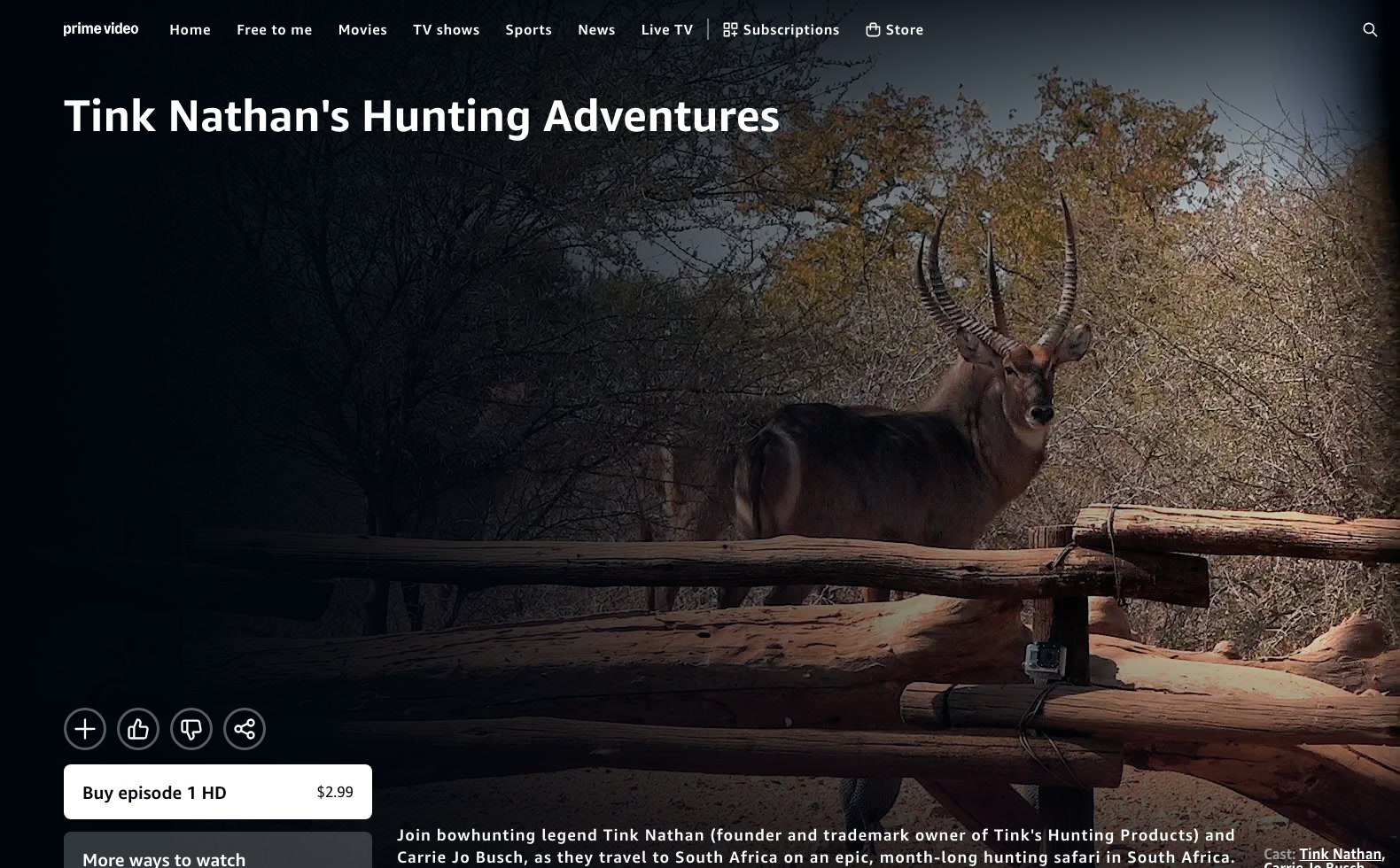
Six broadcast-ready episodes went out on Wild TV, and the series was released on Amazon Prime Video Direct. Social engagement surged, the hunting community talked about the founder again, and consumer interest in the Tink’s line picked up with it, which strengthened the association between the man and a trademark that still carries his name.
The result
The series reintroduced Tink Nathan as the founder to a new generation of hunters, added momentum across retail and digital channels, and reinforced the commercial value of his mark. It also did the thing he asked for. The origin story of Tink’s is preserved, on film, with him in it. And because the studio owns the series, it is an asset Enter360 still holds.
The opener
The series in a minuteThe series opener: the man behind the brand, the safari, and his remastered footage from the DVD years, cut together in a minute and a quarter.
The Cape buffalo hunt
Nine minutesDangerous game, and the bowhunter chooses a rifle. Interview-driven and paced for tension: field footage turned into a story with stakes.